
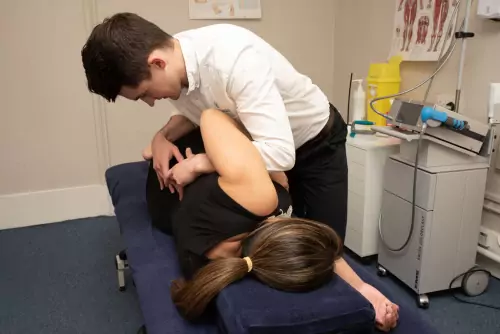
Sciatica – Expert Osteopathic Treatment in Medway
Sciatica occurs when the Sciatic Nerve becomes irritated, compressed, or inflamed. This nerve runs from the lower back through the hips and down each leg, so problems affecting it can cause pain, numbness, or tingling along this path.
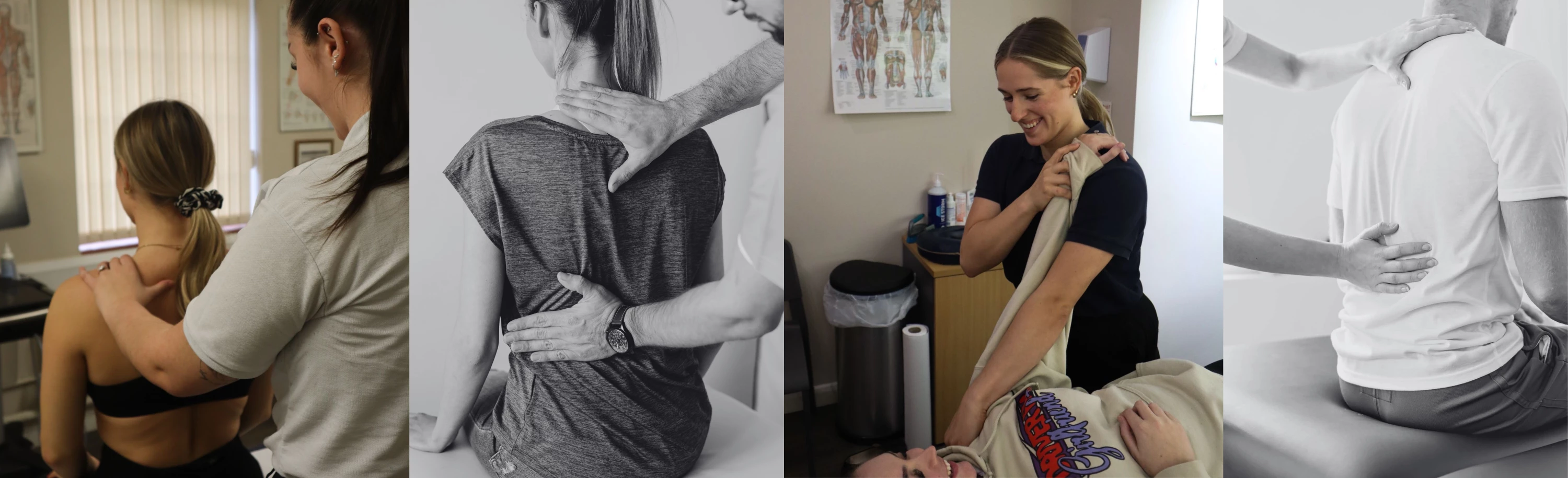
Some of the main Causes of Sciatica include:
Herniated (Slipped) Disc
- A disc in the spine bulges or ruptures and presses on the sciatic nerve.
- This is one of the most common causes of sciatica.
Degenerative Disc Disease
- Wear and tear of the spinal discs as people age
- Can reduce space around the nerve and cause irritation.
Spinal Stenosis
- Narrowing of the spinal canal that compresses nerves.
- More common in older adults.
Piriformis Syndrome
- The Piriformis Muscle in the buttock irritates or compresses the sciatic nerve.
Spondylolisthesis
- A vertebra slips forward over the one below it and compresses the nerve.
Injury or Trauma
- Falls, accidents, or sports injuries can damage structures around the nerve.
Prolonged Sitting or Poor Posture
- Sitting for long periods or poor spinal alignment can irritate the nerve over time.
How can Osteopathy help with Sciatica
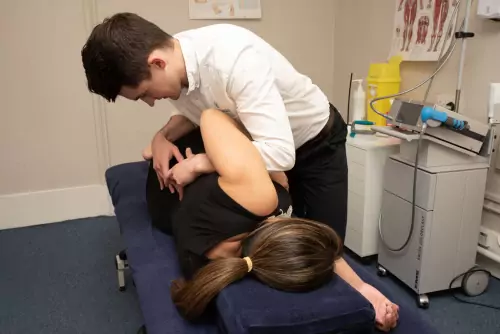
Osteopathy can help treat Sciatica by reducing pressure on the Sciatic Nerve, improving movement in the spine, and relieving muscle tension around the lower back and hips. Some of the ways Osteopathy can treat Sciatica include:
Manual Therapy (Hands-on Treatment)
- Reduce muscle tension in the lower back and hips
- Improve movement in the spine and joints
- Relieve pressure on the sciatic nerve
Soft Tissue Massage
- Relax tight muscles such as the Piriformis Muscle
- Improve blood circulation
- Reduce inflammation and pain
Joint Mobilisation and Manipulation
- Improve spinal alignment
- Reduce stiffness
- Decrease nerve compression
Stretching and Strengthening Exercises
- Strengthen core and back muscles
- Stretch tight muscles in the hips and legs
- Support the spine and reduce pressure on the nerve
Postural Advice
- Our Osteopaths assess posture and daily habits such as sitting or lifting and give advice to reduce strain on the lower back.
Lifestyle and Ergonomic Advice
- Adjusting your workstation
- Taking regular movement breaks
- Learning safe lifting techniques
To find out more about how City Way can treat Sciatica or book an appointment please click here