
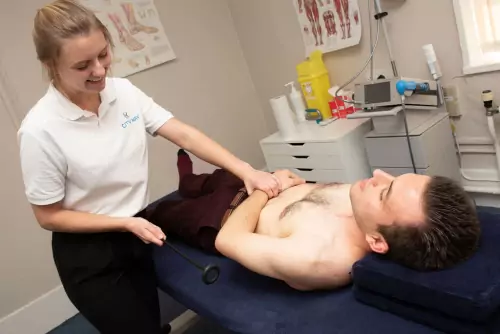
Work-related muscle strain – Expert Osteopathic Treatment in Medway
Work-related muscle strain occurs when muscles or tendons are overstretched, overused, or forced to work too hard during job tasks. It is a common type of Muscle Strain and often falls under Work‑related Musculoskeletal Disorders.
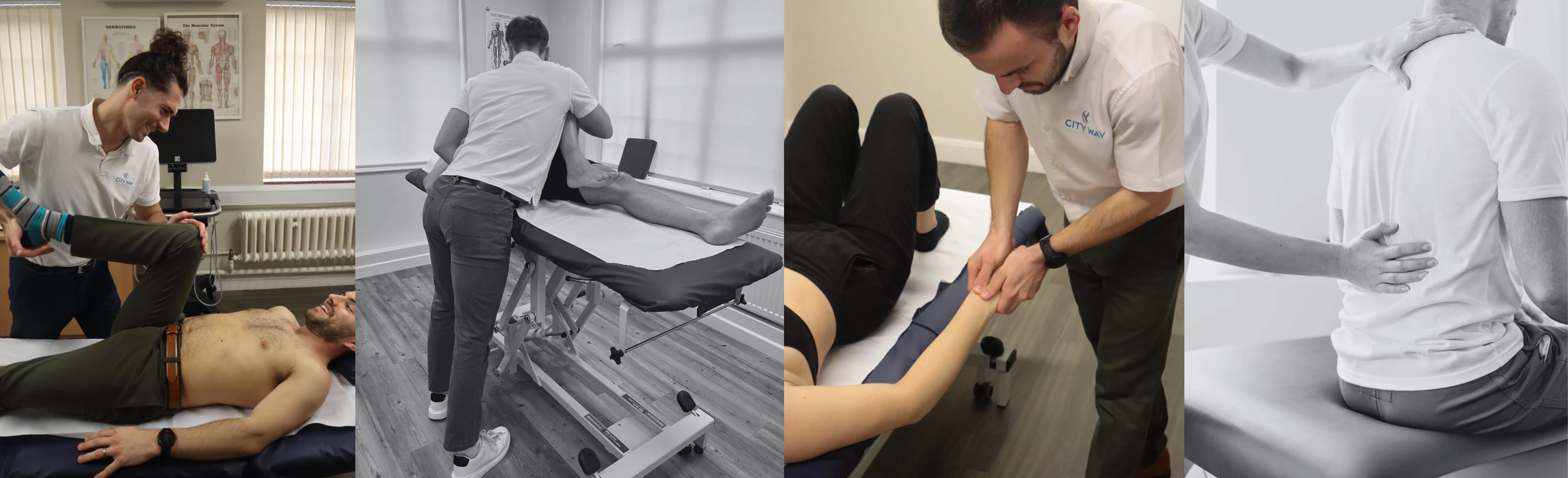
Some of the main Causes of Work-Related Muscle Strain include:
Heavy Lifting
- Lifting objects that are too heavy
- Incorrect lifting technique (e.g., bending the back instead of knees)
Repetitive Movements
- Doing the same movement repeatedly (typing, assembly line work)
- Overuse of the same muscle group over long periods
Poor Posture
- Slouching while sitting
- Awkward positions such as twisting, reaching, or bending for long periods
Overexertion
- Pushing, pulling, or carrying loads beyond your physical capacity
Lack of Breaks
- Working continuously without rest
- Muscles don’t get enough time to recover
Poor Ergonomics
- Workstations not set up properly (chair height, desk position, screen level)
Sudden Movements
- Quick twisting or jerking motions
- Slips or sudden attempts to catch falling objects
Cold Working Conditions
- Muscles become tighter and less flexible in cold environments
Inadequate Training
- Workers not trained in safe manual handling or proper techniques
Work Related Strain
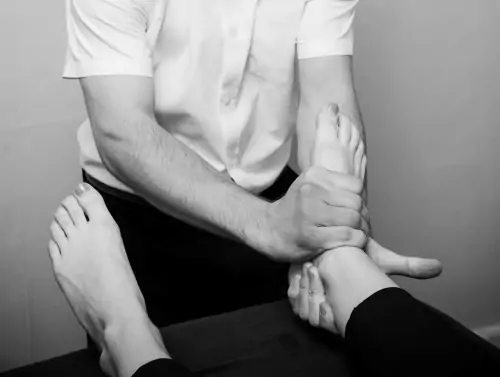
Osteopathy can help treat work-related muscle strain by improving movement, reducing pain, and helping the body heal naturally. It is commonly used for conditions like Muscle Strain and other Work-related Musculoskeletal Disorders. Here are some of the ways Osteopathy Can Treat Work-Related Muscle Strain
1. Manual Therapy (Hands-on Treatment)
- Stretch tight muscles
- Reduce muscle tension
- Improve joint movement
2. Soft Tissue Massage
- Increase blood flow to injured muscles
- Reduce inflammation
- Relax tight or overworked muscles
3. Joint Mobilisation
- Restore normal movement
-
Reduce stiffness caused by repetitive work or poor posture
4. Posture Assessment and Correction
- Our Osteopaths checks how you sit, stand, or move at work and gives advice to improve posture and prevent further strain.
5. Stretching and Strengthening Exercises
- Strengthen weak muscles
- Improve flexibility
- Support recovery and prevent future injuries
6. Ergonomic Advice
We may recommend changes to your workstation or work habits (e.g., desk height, lifting technique) to reduce strain.
To find out more about how City Way can treat Work-related strain or book an appointment please click here